
The Cockatoo
Lord of the park · Keeper of Sydney's streets
Sydney's cockatoos taught each other to flip open wheelie bins. The trick spread from 3 suburbs in 2018 to 44 by the end of 2019.

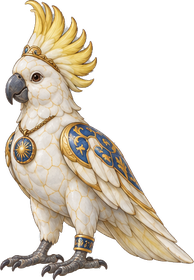
The legend
Sydney's sulphur-crested cockatoos taught each other to flip open the lids of wheelie bins. Scientists followed the trick as it spread from suburb to suburb, from 3 suburbs in 2018 to 44 by the end of 2019, and found each neighbourhood's birds had their own way of doing it.
“I'd leave the bin lid open for it.”
Where it comes from
The sulphur-crested cockatoo is a large white parrot, 44 to 55 centimetres long, native to large parts of Australia, Indonesia and Papua New Guinea. It nests in tree hollows and lives 20 to 40 years in the wild and more than 70 in captivity. When a flock feeds on the ground, at least one bird stays high in a tree as a lookout. That habit gave Australians the slang word "cocky" for someone keeping watch during illegal gambling.
In a reserve in western Sydney, scientists filmed cockatoos queueing on a fence to drink from a public water fountain, a bubbler. A bird grips the spring-loaded handle with its feet, twists it and leans on it to keep the water running. Over 44 days of footage the team counted 525 attempts, 41 per cent of them successful, and about 70 per cent of the local birds tried.
Where to see it
The Royal Botanic Garden in the city centre is home to one well-studied flock. Researchers caught cockatoos there, fitted them with numbered wing tags and let them go; more than 100 birds have been tagged. The Garden's birds mostly stay within 2.5 kilometres of it. Anyone who spots a tagged bird can report its number through the Big City Birds app, now run by Taronga Conservation Society.
In the game
The cockatoo raises its yellow crest and looks the plane up and down. The cockatoo screeches, shakes out its feathers and stays put. The cockatoo folds its crest, bows and flies off to the nearest bin.