
The Simit Gull
Never paid for a simit · Keeper of the Bosphorus ferries
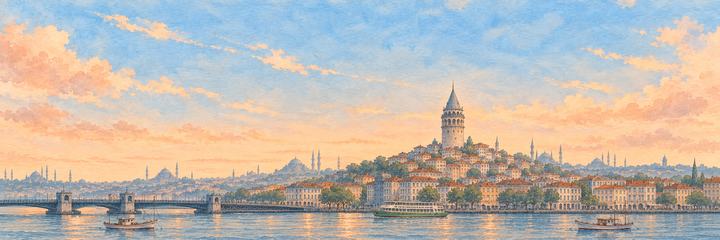
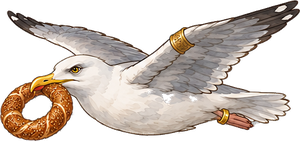
Gulls follow Istanbul's ferries across the Bosphorus every day for pieces of simit, the sesame bread rings. The boldest catch them in mid-air.
The legend
Gulls follow Istanbul's ferries across the Bosphorus every day, and passengers throw them pieces of simit, the sesame bread rings sold from street carts. The boldest birds catch them in mid-air, and some take them straight from people's hands.
“I'd save it a piece of mine.”
Where it comes from
The keeper is inspired by Istanbul's gulls and the bread they chase. Many of the big gulls over the city are yellow-legged gulls, called gümüş martı in Turkish. An adult has wings 120 to 155 centimetres across and can weigh up to 1.6 kilograms. Males and females look alike, so scientists in Istanbul have had to measure the birds to tell them apart. They eat almost anything: they scavenge at rubbish tips, hunt along the shore and steal catches from smaller seabirds.
Simit has been made in Istanbul since at least 1525. In 1593 its weight and price were standardised in Üsküdar, and in the 1630s the traveller Evliya Çelebi counted 70 simit bakeries in the city. The rings are dipped in water and molasses syrup and covered in sesame seeds before baking.
Where to see it
Private steam ferries crossed the Bosphorus from 1837, and in 1851 the Ottoman state founded the Şirket-i Hayriye ferry company. Its successor, Şehir Hatları, runs the city ferries today. In 2023 they carried 40 million passengers on 32 lines between 53 piers. Gulls follow most crossings, so any trip will do: the line from Kadıköy to Karaköy and Eminönü, or the Long and Short Bosphorus Tours.
In the game
The gull lifts its head, simit in its beak, and gives the plane a sideways look. The gull squawks and loses a feather, but keeps hold of the simit. The gull bows. The flock snatches the simit, and it stares into its empty beak.